Use and practice / All our articles
How to use white sage: methods and benefits
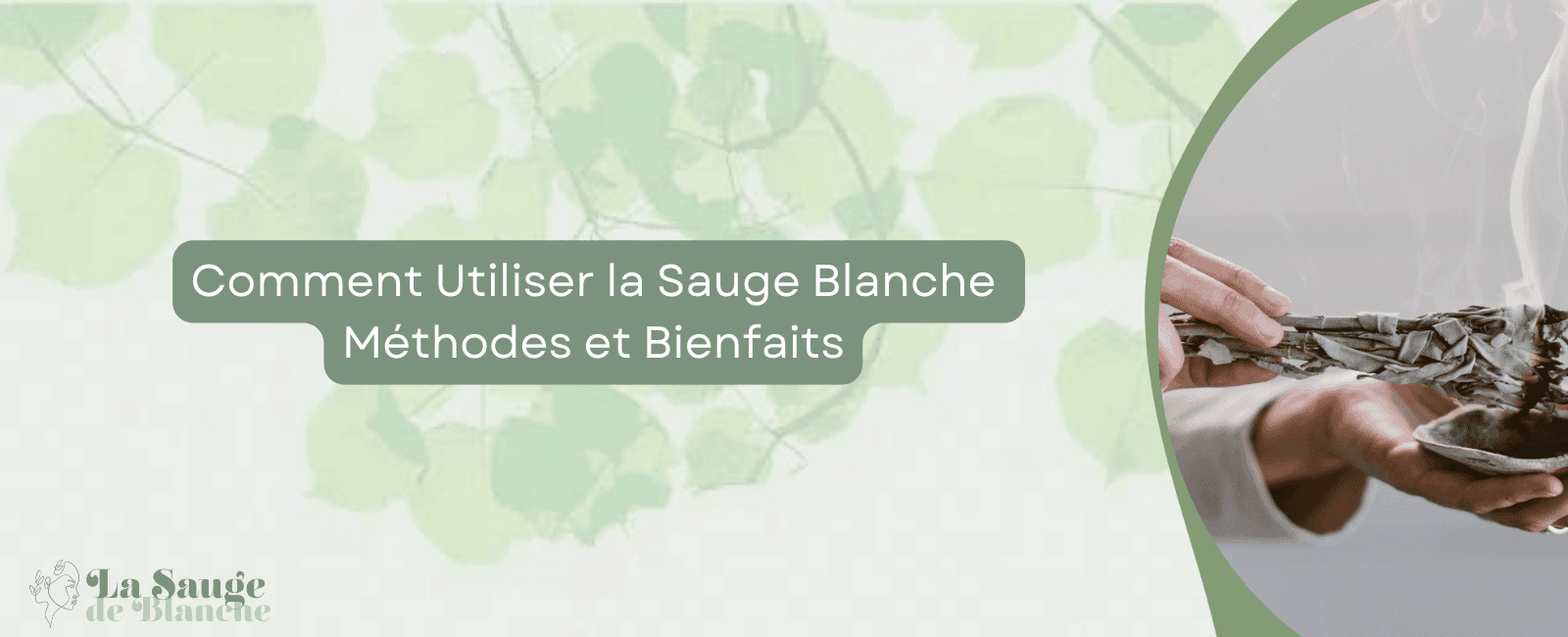
White sage is a versatile herb with many traditionally attributed benefits for health, cleansing and relaxation. Discover different ways to use white sage in everyday life and explore its many applications intended to encourage physical, emotional and spiritual well-being. These are traditional accounts, not established medical effects.
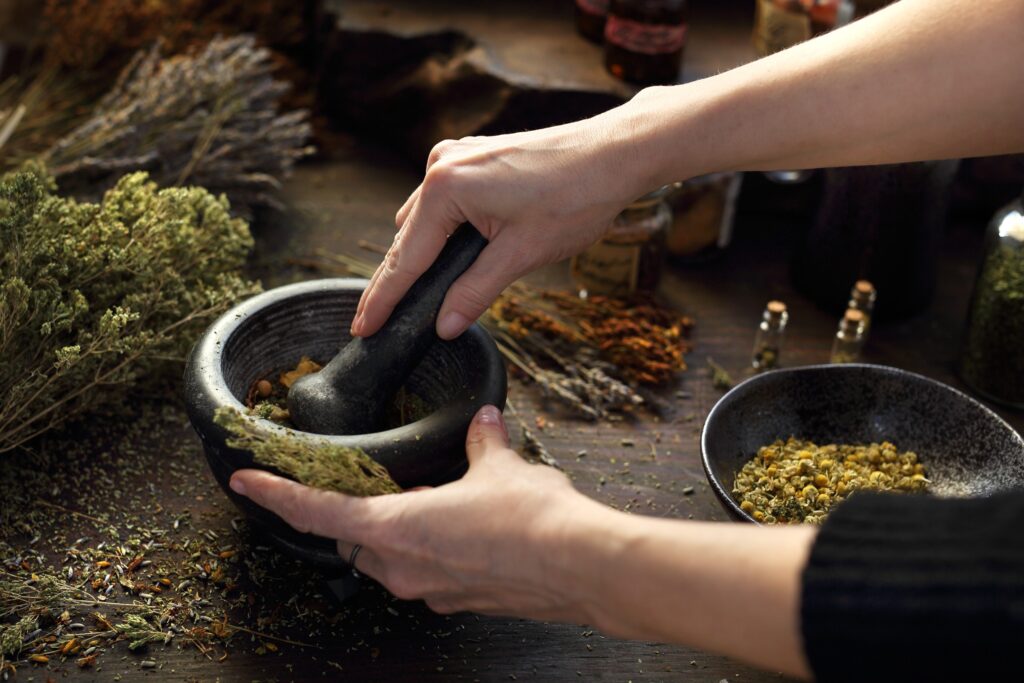
Traditionally attributed benefits of white sage
White sage, also known as Salvia apiana, has been valued for its traditionally attributed medicinal and spiritual properties for centuries. Here are some of those attributed benefits:
Antimicrobial properties: a traditional attribution
White sage is described as containing volatile compounds with antimicrobial properties. Traditional accounts claim that these help remove bacteria and germs from the air, and suggest burning white sage as sticks or loose leaves to cleanse the air and create a healthier home environment. These claims do not establish that burning sage disinfects the air: incense smoke adds pollutants and should not be used for infection prevention.
Relaxing and soothing effects in traditional practice
The gentle, soothing scent of white sage is traditionally said to have a relaxing effect on the nervous system, calming the mind and reducing stress and anxiety. Traditional uses include dried sage bunches in infusion bags or a few sage leaves added to a bath for relaxation. These are not proven anxiety treatments; seek advice before skin use, and use only products explicitly supplied for food use for any drink.
Respiratory support in traditional accounts
White sage is traditionally attributed expectorant and antiseptic properties said to relieve symptoms of respiratory infections such as colds, flu and bronchitis. Traditional accounts describe inhaling vapour from leaves steeped in hot water or adding sage essential oil to a diffuser. These are not proven treatments and hot vapour can burn; smoke or essential oils can irritate the airways. Do not use incense for respiratory symptoms and consult a qualified healthcare professional.
Digestive benefits in traditional practice
White sage is also traditionally known for its benefits for digestion. It is said to encourage bile production in the liver, help break down fats and relieve indigestion symptoms such as bloating and gas. Traditional practice suggests a cup of sage tea after meals to aid digestion, but these effects are not established here. Do not drink preparations made from incense products: use only products explicitly supplied for food use and consult a qualified healthcare professional.
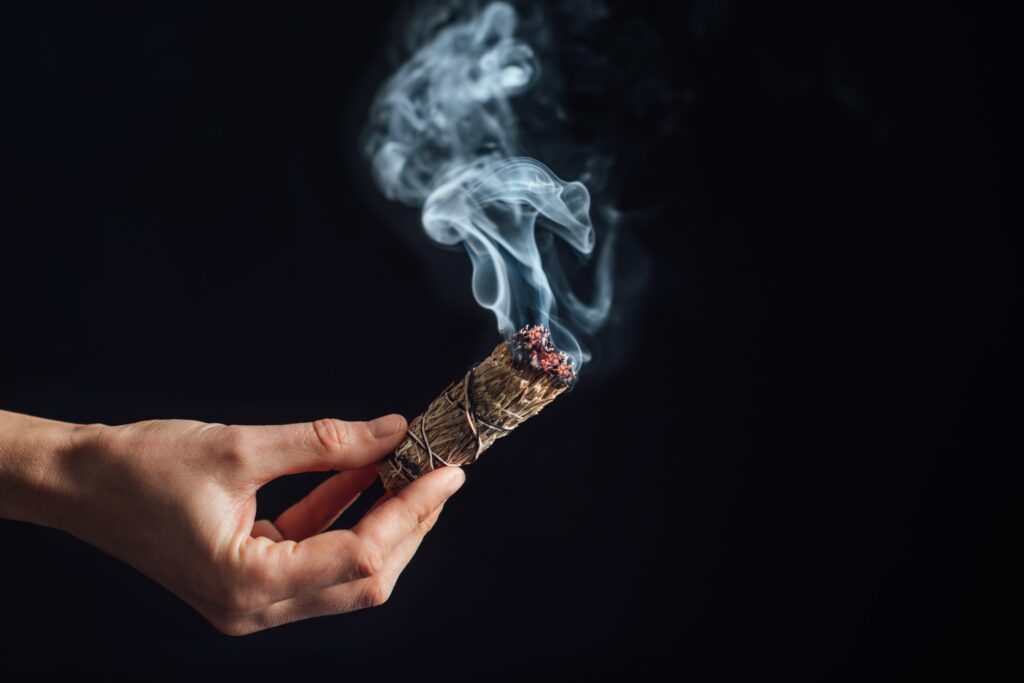
How to use white sage: methods
Smoke cleansing
The most common way to use white sage is smoke cleansing. To do this, light a white sage stick and let it burn for a few moments before gently blowing out the flame to produce smoke. Then walk through the different rooms of your home, holding the sage stick safely over a heat-resistant container and allowing the smoke to disperse for symbolic cleansing. Ventilate, avoid inhaling smoke, keep it away from flammable materials and extinguish it completely afterwards.
Infusion
Traditional internal use of white sage involves preparing an infusion by boiling water and adding a few dried sage leaves. It is left to steep for a few minutes, then strained and drunk warm or left to cool as a refreshing drink. The traditionally claimed benefits are not established here. Do not use incense sage for this purpose; use only products explicitly supplied for food use and seek qualified advice before ingestion.
Sage bath
For a bath traditionally intended for relaxation and symbolic cleansing, a few handfuls of dried sage leaves are added to the warm bath water. They are left to steep for a few minutes before entering the bath, with the intention of enjoying the soothing qualities of white sage on the skin and mind. These effects are not established medical benefits; use only products suitable for skin contact, seek professional advice and stop if irritation occurs.
Culinary use
White sage is also described in traditional accounts as an aromatic herb used in cooking. Fresh or dried sage leaves are added to dishes for a distinctive flavour and traditionally attributed digestive benefits. These health effects are not established here. Only use correctly identified products explicitly supplied for food use, never incense sage.
In summary
Using white sage in different ways is traditionally intended to draw on its many attributed benefits for health and well-being. Whether the aim is symbolic air cleansing, relaxation, supporting digestion or respiratory health, white sage is described as a versatile herb that can be incorporated into everyday life. These medical effects are not established; smoke does not purify the air and should not be used to treat breathing problems. Consult a healthcare professional and follow the intended use of each product.