Buying and growing / All our articles
How to grow white sage: tips for cultivating this sacred herb

White sage, a sacred plant with many traditionally attributed virtues, can be grown successfully in your garden or on your balcony. Discover the different methods for growing white sage, whether from seeds, cuttings or established plants, along with practical advice to ensure optimal growth and flowering.
Why grow white sage?
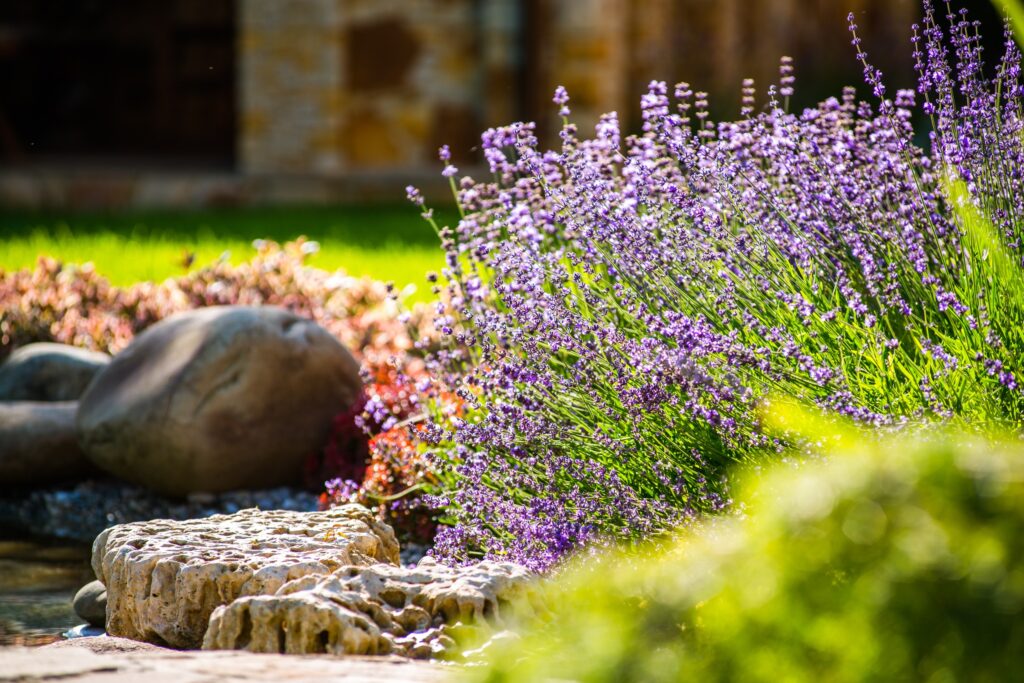
Growing white sage at home has many advantages. As well as enhancing your garden with its magnificent white flowers and silvery leaves, white sage is an aromatic plant with remarkable traditionally attributed medicinal and spiritual properties. It has been used for centuries in cleansing and healing rituals, as well as in cooking and natural medicine. These traditional accounts do not establish medical efficacy; seek qualified advice before medicinal use and use only correctly identified, food-suitable products for cooking.
White sage propagation methods
From seeds
- Soil preparation: Choose a sunny location with well-drained soil. Work the soil by loosening it and adding compost to improve its structure and fertility.
- Sowing the seeds: Sow white sage seeds directly into the soil in spring after all risk of frost has passed. Sow the seeds on the soil surface and cover them lightly with soil. Keep the soil moist until the seeds germinate, which can take about two to three weeks.
- Seedling care: Once the seedlings have emerged, thin them to keep only the strongest, spacing them about 30 to 45 centimetres apart. Water regularly to keep the soil slightly moist but not waterlogged.
From cuttings
- Preparing cuttings: In late spring or early summer, take white sage cuttings about 10 to 15 centimetres long from healthy, vigorous stems.
- Rooting cuttings: Remove the leaves from the bottom of the stem and dip the end in rooting hormone. Plant the cuttings in a light, free-draining potting mix and keep the growing medium moist until roots develop, which generally takes four to six weeks.
- Transplanting cuttings: Once the cuttings have developed roots, you can transplant them into individual pots or into the garden, following the same instructions as for established plants.
From established plants
If you prefer to grow white sage from established plants, you can buy them at a local nursery or online. Make sure you choose healthy plants with vigorous foliage and no signs of disease. Plant them in the prepared soil as described above, spacing them according to the recommendations specific to each variety.
White sage care and maintenance
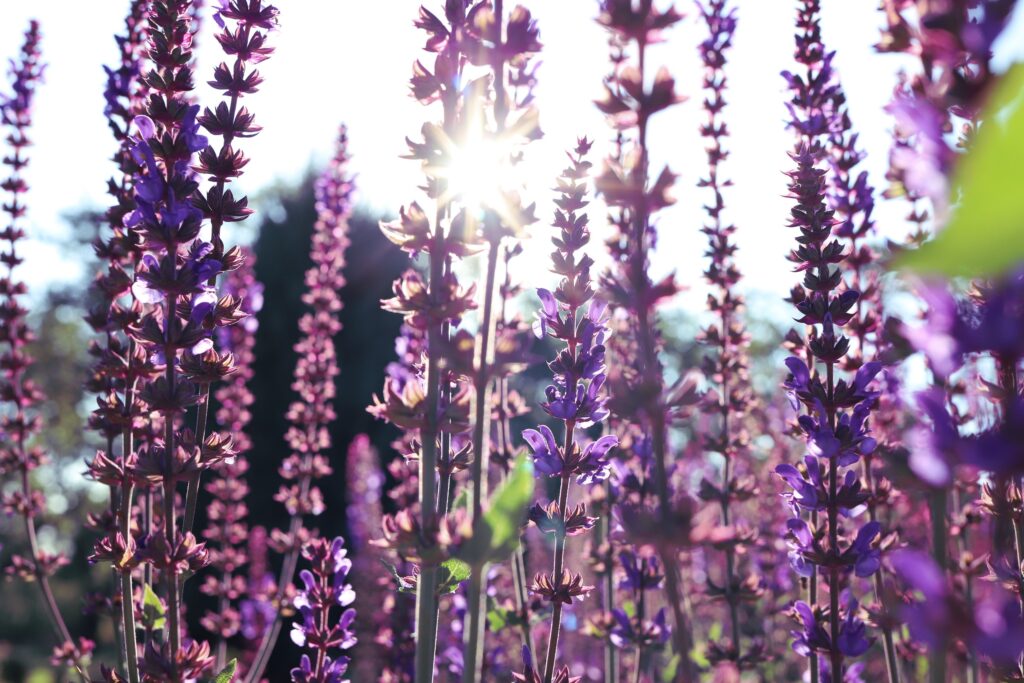
Once your white sage plants are established, they require little maintenance but some regular care to ensure optimal growth and flowering.
Watering
White sage is relatively drought-tolerant once established but appreciates regular watering during dry periods, especially during active growth. Water it deeply each week to keep the soil slightly moist.
Fertilising
White sage does not need much fertiliser to thrive, but you can give it a boost by applying a balanced fertiliser once in spring at the start of the growing season. Avoid over-fertilising, as this can encourage excessive foliage growth at the expense of flowers.
Pruning
To encourage compact growth and abundant flowering, you can pinch out new white sage shoots in spring to encourage branching. Also prune faded stems after flowering to stimulate new flower buds.
Protection against pests and diseases
Growing white sage need not mean worrying about pests and diseases. White sage is generally resistant to pests and diseases, but it can occasionally be attacked by aphids, whiteflies or mites. Check your plants regularly and treat any infestations with biological control methods or mild insecticides if necessary.
[products limit="5" columns="5" orderby="price" order="DESC" visibility="visible"]In summary
Growing white sage at home is a rewarding experience that allows you to enjoy the many qualities of this sacred plant. Whether you choose seeds, cuttings or established plants, following appropriate planting and care advice can help you create a flourishing garden filled with this aromatic, traditionally valued herb. Take the time to admire its magnificent flowers and harvest its fragrant leaves for traditional uses in cooking, natural medicine or spiritual rituals. Only use correctly identified, food-suitable material in cooking and seek qualified advice before medicinal use; traditional health claims are not established treatments. With a little care and attention, your white sage garden can become a sanctuary of peace, spiritual healing and connection with nature.