Buying and growing / All our articles
Where to buy white sage for planting and how to grow it successfully
If you are passionate about aromatic herbs and interested in growing white sage, you are probably wondering where to buy white sage for planting and how to grow it successfully. In this article, we will explore in detail the different options for buying white sage in all its forms, along with in-depth advice for planting and growing it successfully.
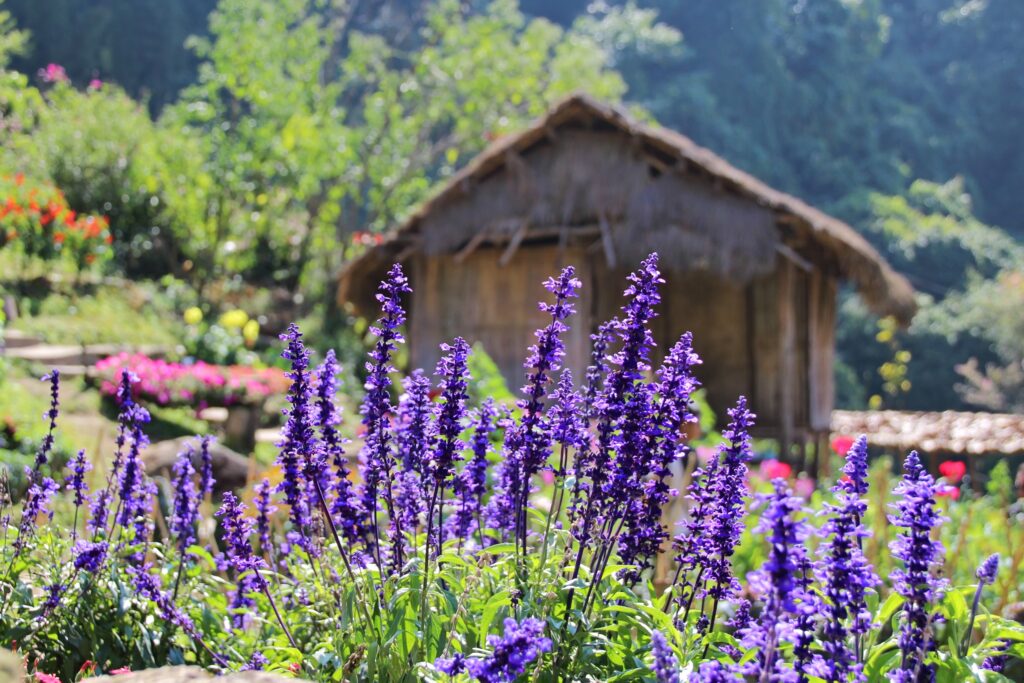
Where to buy white sage for planting
When you are looking for somewhere to buy white sage for planting, you have several options:
Nurseries and garden centres
Nurseries and garden centres are excellent sources for buying white sage for planting. These businesses often offer a variety of organic aromatic plants, including white sage. Make sure you choose reputable nurseries and shops offering certified organic plants to check their quality and purity.
Markets and specialist food shops
Markets and specialist food shops are also excellent places to buy white sage for planting. These businesses focus on organic products and often offer options for gardeners who want to grow their own aromatic herbs. Make sure you check certification when purchasing to assess the quality of the plants offered.
Online shops
Many online shops specialising in plants and herbs offer a wide selection of white sage for planting. Look for trusted suppliers and read customer reviews to check the quality of the plants offered. Another advantage of online shops is access to an extended range of white sage varieties, allowing you to find the one that best suits your needs and garden.
White sage seeds
If you prefer to start your plants from seed, you can buy white sage seeds in garden centres, nurseries, markets and specialist food shops, as well as online. Choose certified seeds and check that they are untreated to give your plants a healthy start. Growing from seed also allows you to control the growth process from the beginning, which can be rewarding for experienced gardeners or those who enjoy a challenge.

Tips for planting and growing white sage
Now that you have found somewhere to buy white sage for planting, here are some detailed tips for growing it successfully:
Choosing the location
White sage thrives in a sunny location with well-drained soil. Choose a place in your garden that receives at least six hours of direct sunlight a day. Avoid areas where water stands after rain, as white sage prefers dry, well-drained soil.
Preparing the soil
Before planting, prepare the soil by loosening it and mixing in compost to improve drainage and fertility. White sage prefers slightly alkaline soil, so add lime if necessary to adjust the pH.
Planting
Dig holes about 30 to 45 centimetres apart and place the white sage plants or seeds in them according to the recommendations on the packaging.
Watering and care
Water white sage plants regularly to keep the soil slightly moist but not waterlogged, especially during periods of active growth.
Harvesting
You can begin harvesting white sage leaves once the plants have reached a height of about 20 centimetres. Pick leaves as you need them, taking care not to remove more than a third of the plant at a time to allow continued growth.
[products limit="5" columns="5" orderby="price" order="DESC" visibility="visible"]In summary
By following these simple tips, you can easily grow organic white sage in your own garden, exploring its many traditional culinary, medicinal and ritual uses. Take the time to choose quality plants or seeds from reliable sources and provide appropriate care to encourage healthy, vigorous growth. Whether you are a beginner or experienced gardener, growing organic white sage can be an enriching, rewarding experience that adds aroma and beauty to your garden, now that you know where to buy white sage for planting. Traditional medicinal uses are not established treatments; seek professional advice and use only correctly identified products explicitly suitable for food use in cooking.