Use and practice / All our articles
Using red sage: the qualities of this variety
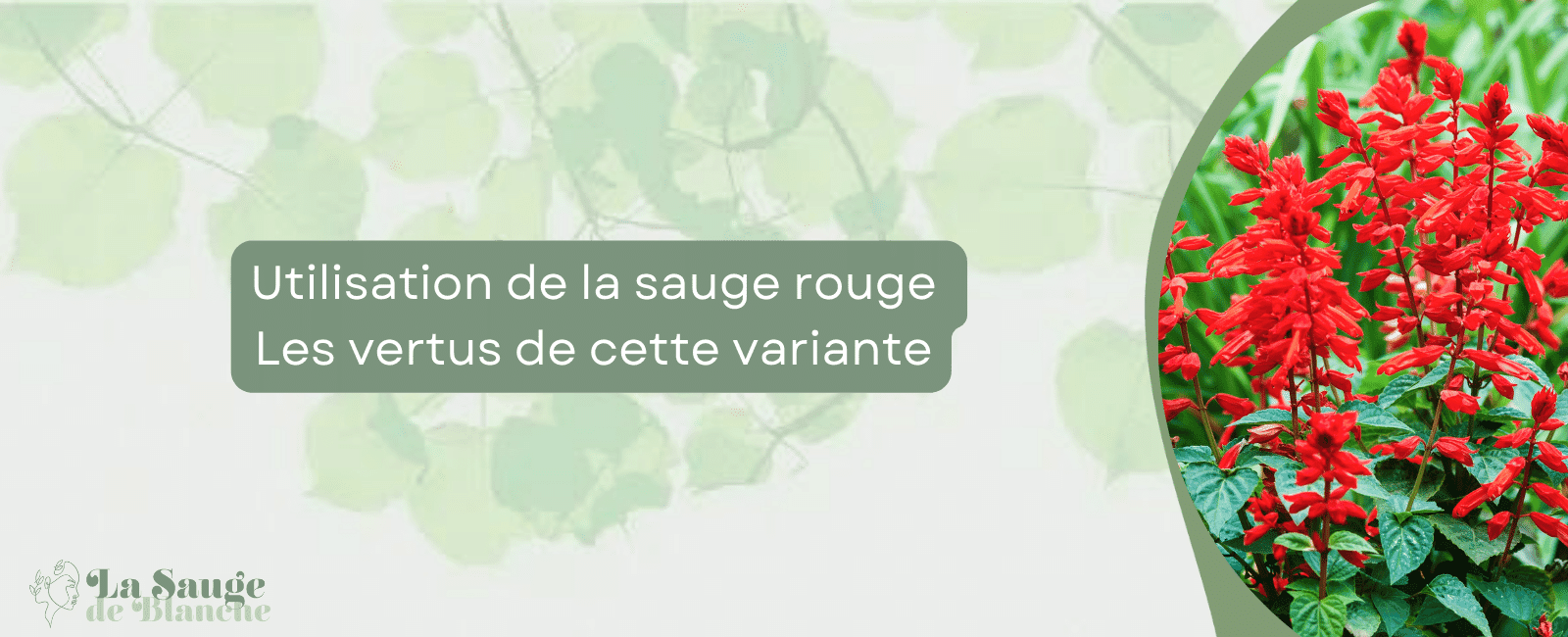
Red sage, also known as Salvia grahamii, is a versatile plant that offers many possibilities. Let us explore the use of red sage through two exciting ways to include it in your daily life. First, we show you how to prepare traditional smoke bundles using red sage. We then look at how this plant can add a tasty, distinctive touch to your cooking. Whether you are interested in spirituality, symbolic cleansing or creative cooking, red sage has something to offer. Burning it does not purify the air, and plants sold under this name are not necessarily interchangeable or edible.
Using red sage: traditional smoke bundles
One traditional way of using sage referred to as grahamii is to burn it in traditional smoke-cleansing bundles. You can obtain red sage in different forms: sticks, dried leaves or small pieces. For burning, you need a heat-resistant container, such as a scallop shell or ceramic dish. You can also obtain a dedicated incense burner to make the task easier. A feather may be used to direct the smoke. A fan works just as well, although it is less traditional.
Before burning sage, keep smoke detectors switched on: never disable a safety alarm for a ritual. Once your preparations are complete, use only a small amount of smoke in a well-ventilated room. Focus on symbolic cleansing and place the sage stick in a bowl or container filled with water to extinguish it fully and prevent fire. The traditional description mentions a stick of around 30 g for a cleansing session, but that is not a safety recommendation or a quantity that must be burned. Do not sit close to the smoke or inhale it deliberately: the aim of the ritual is never to expose yourself to as much smoke as possible.
Using red sage: surprising culinary ideas
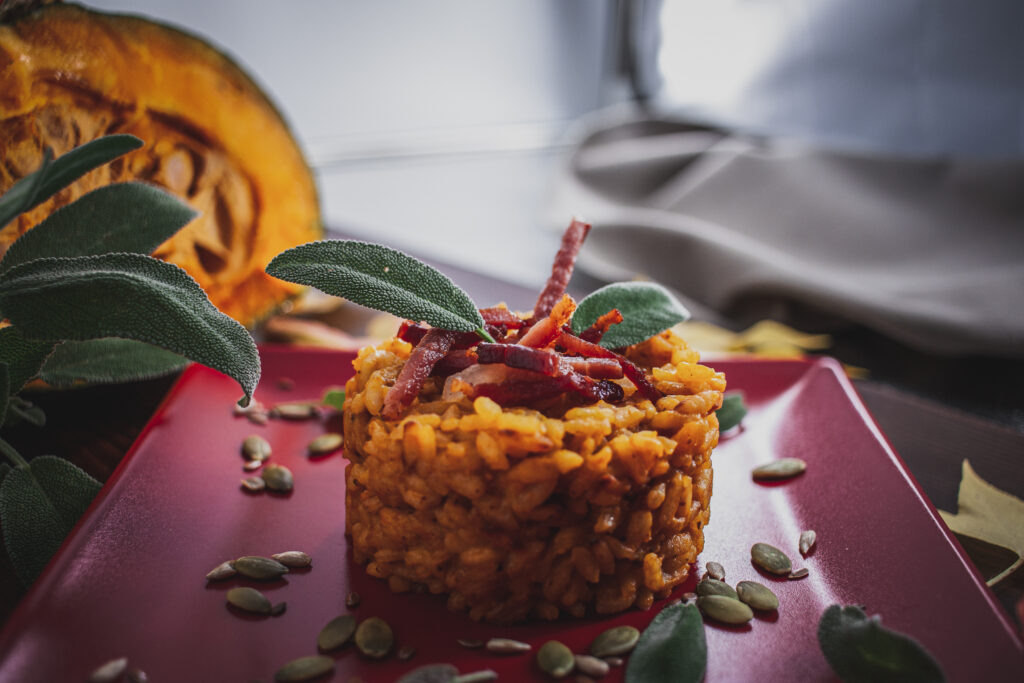
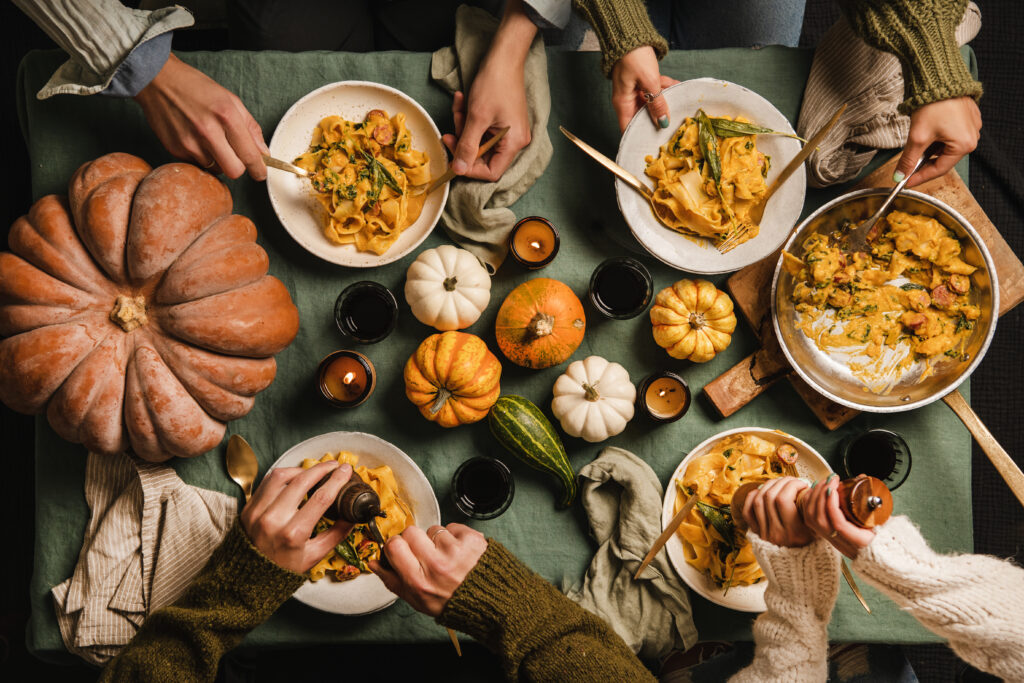
Red sage also offers culinary possibilities, and it can be used in different ways to add a distinctive flavour to your dishes. Recipes may mention its essential oil, an infusion or its fresh leaves. Do not ingest incense products, unidentified sage or essential oils on the basis of this article. Only use a correctly identified edible species supplied for food use, and follow its preparation instructions. Recipes that include red sage are easy to find, and the plant appeals to well-being and spirituality enthusiasts who keep looking for ways to include it in daily life; that interest does not make every product or species safe to eat.
However, note that sage essential oil is unsuitable during pregnancy, for people with epilepsy and while breastfeeding because of its high thujone content, a substance associated with neurotoxicity and pregnancy risks. Composition differs between species and products. Consult a qualified healthcare professional before considering red sage essential oil; do not ingest it or apply it undiluted.
Red sage can be used to flavour savoury dishes such as soups, sauces and roasts. You can also add it to sweet dishes such as fruit desserts and infusions. Its distinctive, slightly spicy taste is described as bringing a new dimension to your cooking.
[products limit="5" columns="5" orderby="price" order="DESC" visibility="visible"]In summary
Red sage, or Salvia grahamii, is a fascinating plant with multiple uses. Alongside its traditional symbolic role in smoke bundles, it can add a distinctive flavour to your dishes. Whether you wish to symbolically cleanse your space or try new culinary flavours, first establish exactly which species and product you have. Using red sage means taking account of the precautions and contraindications mentioned above. Incense is not food, smoke does not purify the air, and essential oils require professional advice. Explore the possibilities red sage offers without treating traditional claims as proven health benefits.