Use and practice / All our articles
Using sage in cooking: an ally for your health
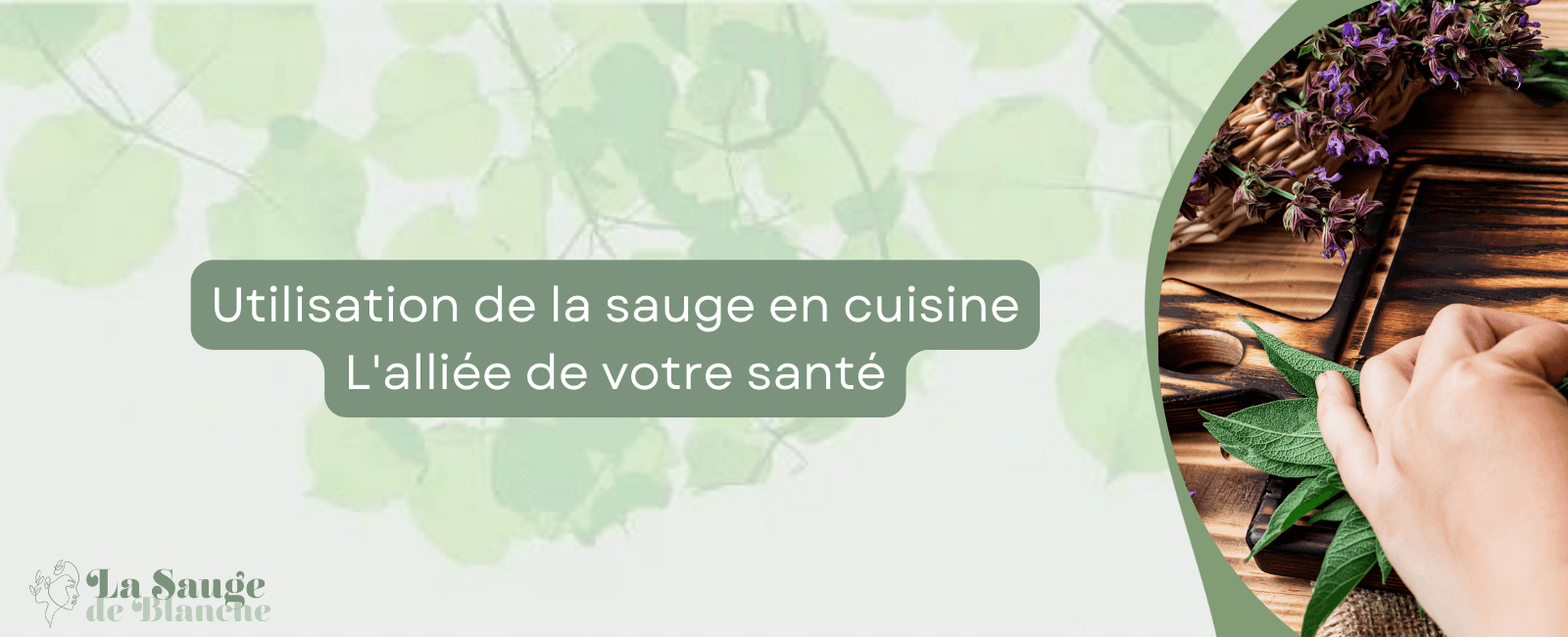
Using sage in cooking is just as important as using it in traditional remedies for treating various complaints. This aromatic plant, also known as Salvia officinalis, is packed with properties traditionally described as beneficial to our body thanks to components such as essential oils, flavonoids and more. In this article, we explore the different culinary and traditional medicinal uses of this versatile plant; the medicinal uses below are traditional accounts, not established medical effects.

The culinary uses of sage
Sage has a delicious, slightly bitter scent that pairs perfectly with many savoury and sweet dishes. Here are some ideas for using this plant in cooking:
- Marinades and vinaigrettes : Sage can be added to your marinades and vinaigrettes to give a unique flavour to your meats, vegetables and salads. Simply mix a few fresh or dried sage leaves with olive oil, balsamic vinegar and other condiments of your choice.
- Soups and stews : Add a few sage leaves to your soups and stews to enrich the flavours of these comforting dishes. You can also blend the sage leaves to obtain a smooth, velvety texture.
- Grilled or roasted meats : Sage pairs very well with meat, especially pork, poultry and lamb. Sprinkle a few dried sage leaves over your meat before cooking it in the oven or on the barbecue to fragrance your dishes and add an aromatic touch.
- Pastries and desserts : Surprise your guests by adding a few finely chopped sage leaves to your biscuits, cakes or fruit cakes. This original pairing will add an intriguing flavour to your sweet preparations.
Using sage in cooking: how to store it
Using sage in cooking lets you enjoy its flavour all year round, if you know how to store it. This plant can be preserved in different ways:
- Drying : Dry the sage leaves in the open air or in the oven, then store them in an airtight container away from light and moisture for later use.
- Freezing : You can also freeze fresh sage leaves so you can use them directly in your recipes when needed.
- Flavoured oil : Finally, add fresh sage leaves to a bottle of olive oil and leave them to macerate for a few weeks to obtain a sage-flavoured oil. Refrigerate it and use it within a safe period for flavoured oils.

The traditional medicinal virtues of sage
Common sage has been used for centuries in traditional practice for various complaints, being credited with antiseptic, anti-inflammatory and other properties. Discover below the main medicinal virtues traditionally attributed to this plant; these are traditional accounts, not established medical effects.
- Relief for sore throats and respiratory complaints : Thanks to its traditional antiseptic associations, sage is regarded as useful against throat and mouth infections. Preparing a simple infusion from food-grade sage leaves is traditionally said to relieve sore throats, coughs and hoarseness. Do not use incense products for this purpose.
- Regulation of the menstrual cycle and relief of menstrual pain : Sage is traditionally credited with emmenagogue properties said to promote hormonal balance and regulate menstrual cycles, helping to reduce menstrual irregularities, period pain and premenstrual symptoms (PMS). These claims are not established; consult a healthcare professional, especially during pregnancy or breastfeeding.
- Relief of digestive complaints : The carminative and antispasmodic properties traditionally attributed to sage are said to relieve various digestive complaints such as bloating, stomach cramps or flatulence. These are traditional accounts, not proven treatments.
- Improved cognitive functions : The neuroprotective components of sage are traditionally associated with better concentration, improved memory and a reduced risk of neurodegenerative disorders such as Alzheimer’s. Drinking sage infusion is therefore described as beneficial for the brain; this is a traditional claim, not an established effect.
A few traditional sage preparations
Here are some ideas of remedies to prepare at home with sage:
- Infusion or herbal tea : Steep a few dried sage leaves in hot water for 10 minutes, then enjoy this soothing drink to accompany the traditional benefits attributed to the plant. Use only sage supplied for food use.
- Gargle : To relieve sore throats, prepare a sage infusion and use it as a mouthwash or gargle at least three times a day until the symptoms fade. Use only food-grade sage, stop if irritation occurs, and see a healthcare professional if symptoms persist.
- Poultice : In a mortar, crush a few fresh sage leaves and apply this paste to a clean compress to create a poultice traditionally credited with anti-inflammatory and healing properties, ideal for small wounds or skin irritations. Do a patch test first, do not apply it to broken or infected skin, and seek medical care for wounds that do not heal.
Common sage is therefore a true treasure of nature, offering as many benefits in the culinary field as in traditional health care. Using sage in cooking is therefore highly recommended. Feel free to use it to fragrance your dishes or to accompany relief of everyday complaints, observing the usual precautions and using food-grade products.