Knowledge and comparisons / All our articles
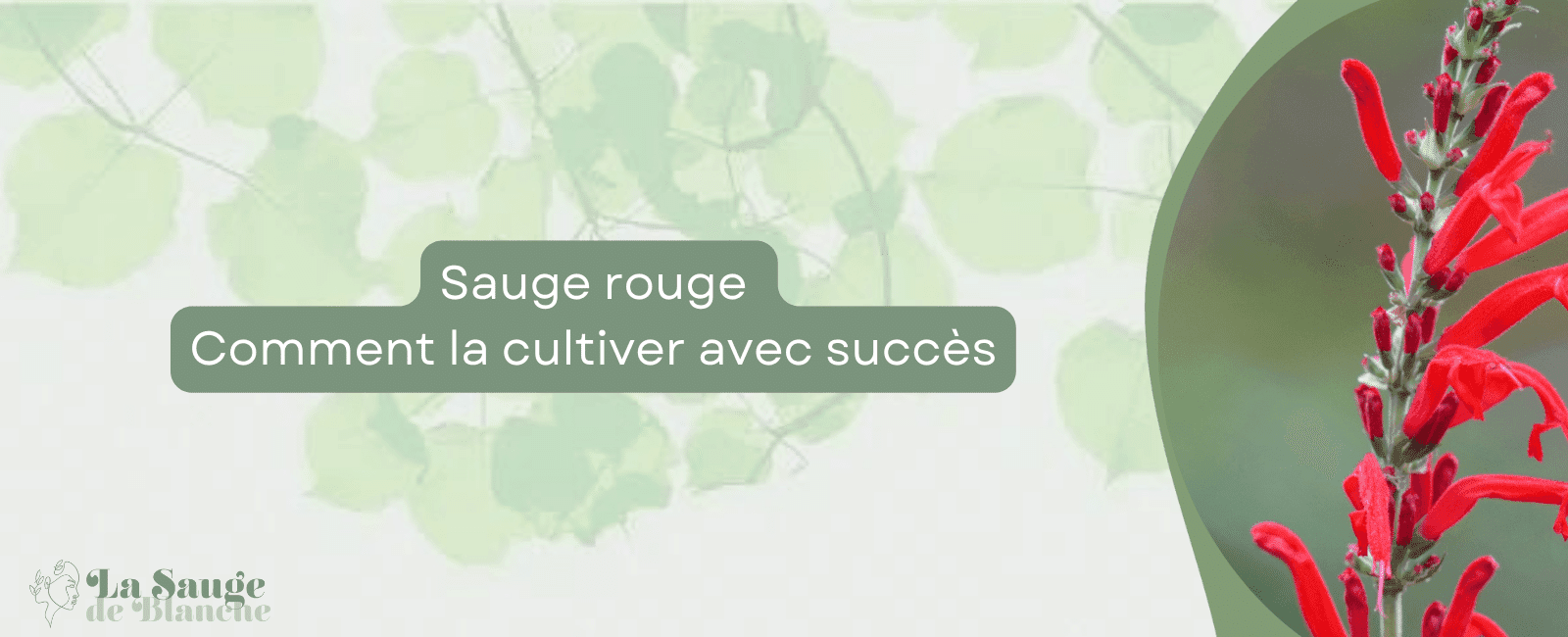
Red sage: how to grow it successfully
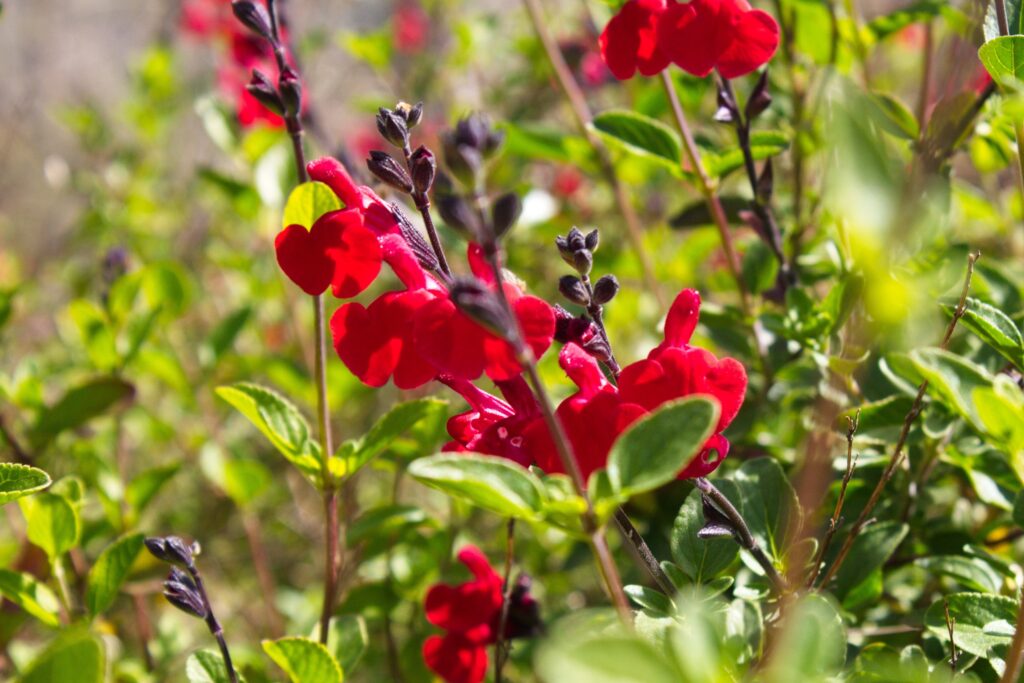
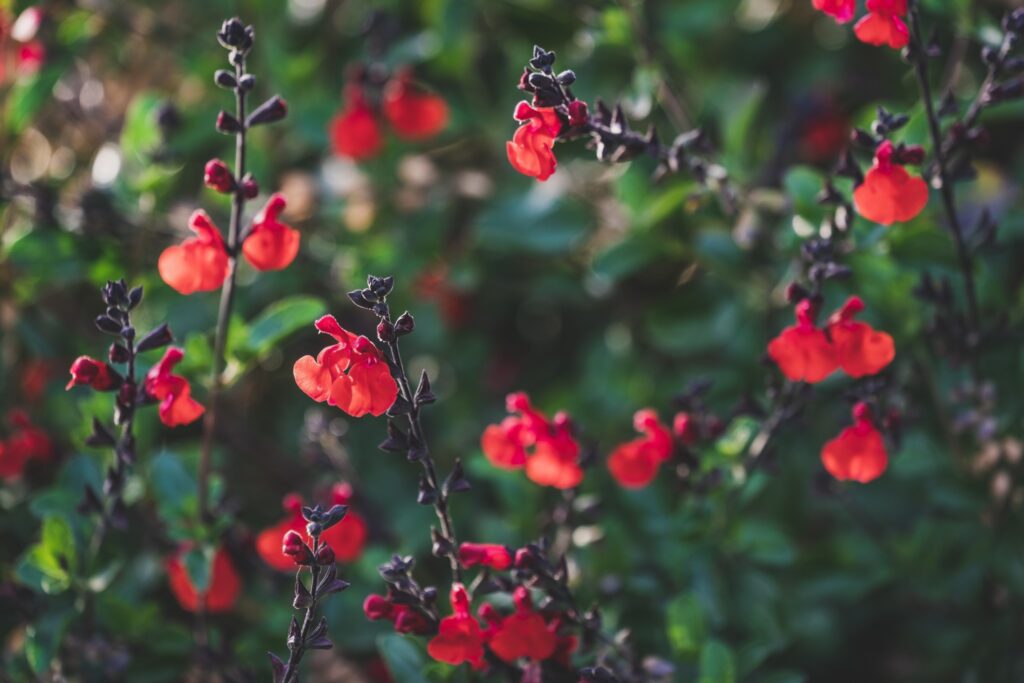
Red sage, known by the Latin name Salvia splendens, is a fascinating plant belonging to the Lamiaceae family. Native to Brazil and thriving at altitudes of 2,000 to 3,000 metres, this spectacular plant is prized for its dazzling scarlet flowers and evergreen foliage. In this blog, we explore the different species of red sage, the best practices for growing them successfully and how to care for these magnificent plants. Traditional claims about therapeutic uses should not be treated as established facts; check the exact species before any use.
The different species of red sage
The red sage group is a diverse plant, with more than 800 species. Here are some of the most widespread varieties:
- Salvia splendens Alba: This variety offers brilliant white flowers that contrast beautifully with the dark green foliage.
- Salvia splendens Carabinière: Characterised by its deep red flowers, this species is a real feast for the eyes.
- Salvia splendens Lighthouse: With its bright scarlet flowers, this red sage will light up your garden like a lighthouse in the night.
- Salvia splendens Sangria: This variety stands out with flowers of an intense wine red, adding a touch of sophistication to any outdoor space.
- Salvia splendens Dancing Flame: As its name suggests, this red sage evokes dancing flames with its flaming red-orange flowers.
Traditional accounts credit red sage with various virtues, including improved blood circulation, relief from stress and anxiety through relaxing properties, treatment of sore throats and insomnia, and spiritual uses in Chinese and Native American cultures over the centuries. These are traditional beliefs, not established medical effects, and this plant is grown for ornamental purposes. Its beauty will also make it a first-choice addition to your garden. Fortunately, it is quite easy to grow and does not require much effort.
Growing red sage successfully
The red sage is an ideal plant for beginner gardeners because of its ease of cultivation. Here is some advice to help you succeed:
Choose the right location: Red sage prefers a mild, sunny climate. Make sure you give it maximum exposure to sunlight for optimal growth.
- Prepare the soil: Choose a light, well-drained soil rich in humus. Red sage thrives in fertile soil that retains moisture without becoming excessively wet.
- Planting: You can grow red sage in a planter, in beds, in pots or in borders. When planting, keep a distance of 25 to 35 cm between each plant to allow good growth and a full shape.
- Watering: Red sage does not need a large amount of water, but it is essential to water it regularly during periods of drought. Take care not to overwater, to avoid crown rot.
- Pest protection: The red sage can be affected by aphids, slugs, snails, leafhoppers and whiteflies. Inspect your plant regularly and take action against these pests if necessary.
In summary
With its blazing flowers and evergreen foliage, red sage brings a vibrant touch of colour to your garden. Thanks to its ease of cultivation and moderate care requirements, it is ideal for beginners and experienced gardeners. Remember to choose from the different species available and create harmonious combinations in your garden. Enjoy this magnificent plant and its superb bright red flowers to create a most attractive outdoor space. Let red sage light up your garden and delight everyone who visits it!