Knowledge and comparisons / All our articles
Blue sage or white sage: everything you need to know
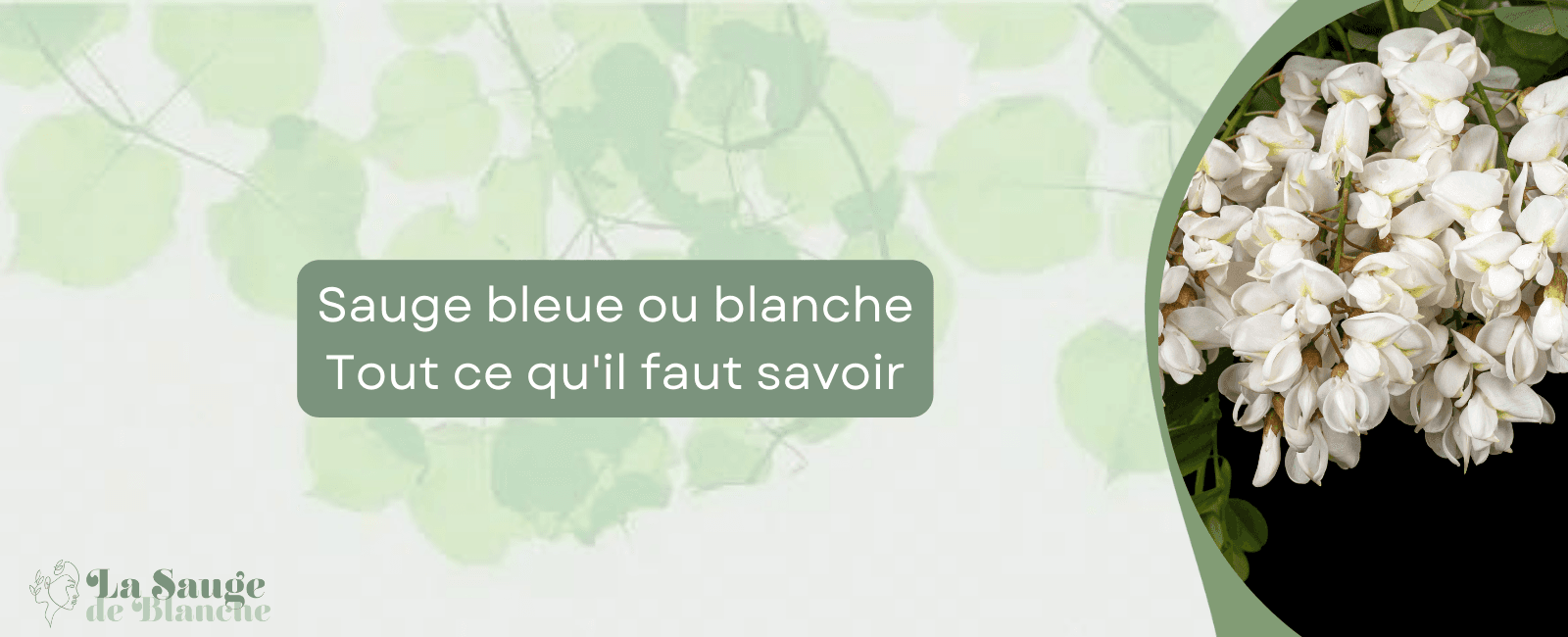
Blue sage or white sage, how do you choose the one that suits you? This is an important question; indeed, sage plants have long been used for their traditionally attributed medicinal and spiritual qualities. Among the many varieties available, white sage and blue sage are particularly popular for their distinctive uses. What are the differences between these two varieties, and what are their unique qualities?
Origins and botanical classification
White sage, also known as Shasta sage or Salvia apiana, is an aromatic plant native to the southwestern United States and northwestern Mexico. It belongs to the Lamiaceae family and is often used for spiritual cleansing.
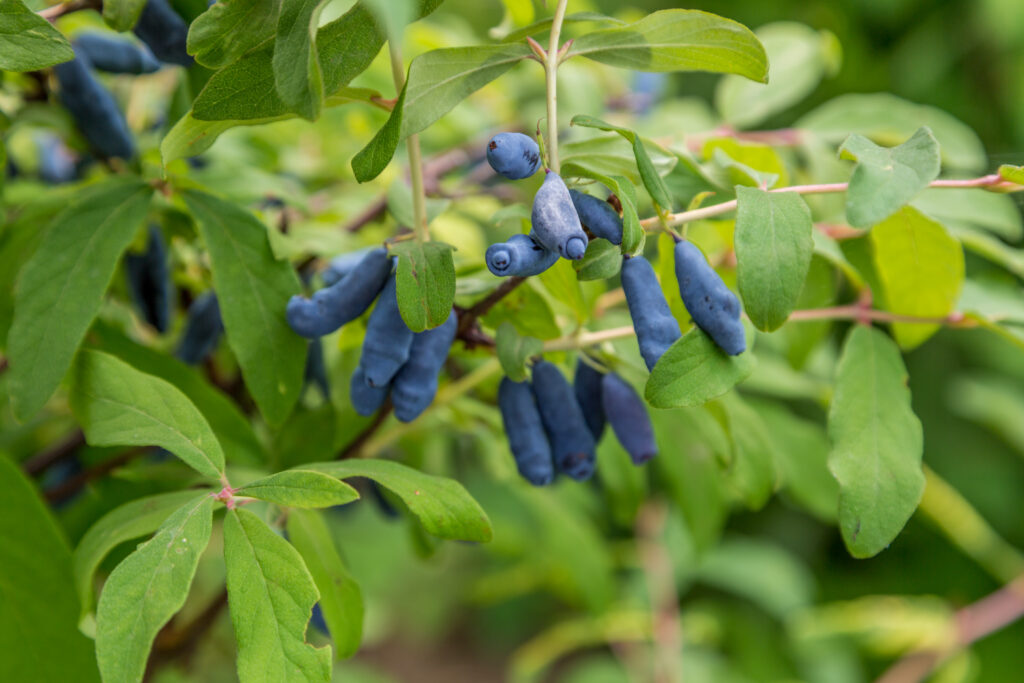
Blue sage, or Salvia clevelandii, is another species of the same botanical family, native to the coastal regions of California and Baja California in Mexico. This variety is also called yerba santa because of the therapeutic virtues traditionally attributed to it. Note: some sources use the name yerba santa for a different plant (Eriodictyon); identification matters.
Blue sage or white sage: characteristics
As their names suggest, the leaf colour of the white sage and the blue sage differs markedly. White sage has silvery leaves with a fine layer of down, while blue sage is characterised by dark green leaves with a bluish tint.
The two sage species are perennial shrubs, but their size and appearance vary considerably. The white sage can reach a height of 1 to 1.5 metres with a similar width, its branches spreading in all directions. Conversely, the blue sage is somewhat smaller, generally measuring between 60 centimetres and 1 metre high for 1 to 2 metres wide, forming a rounded mound.
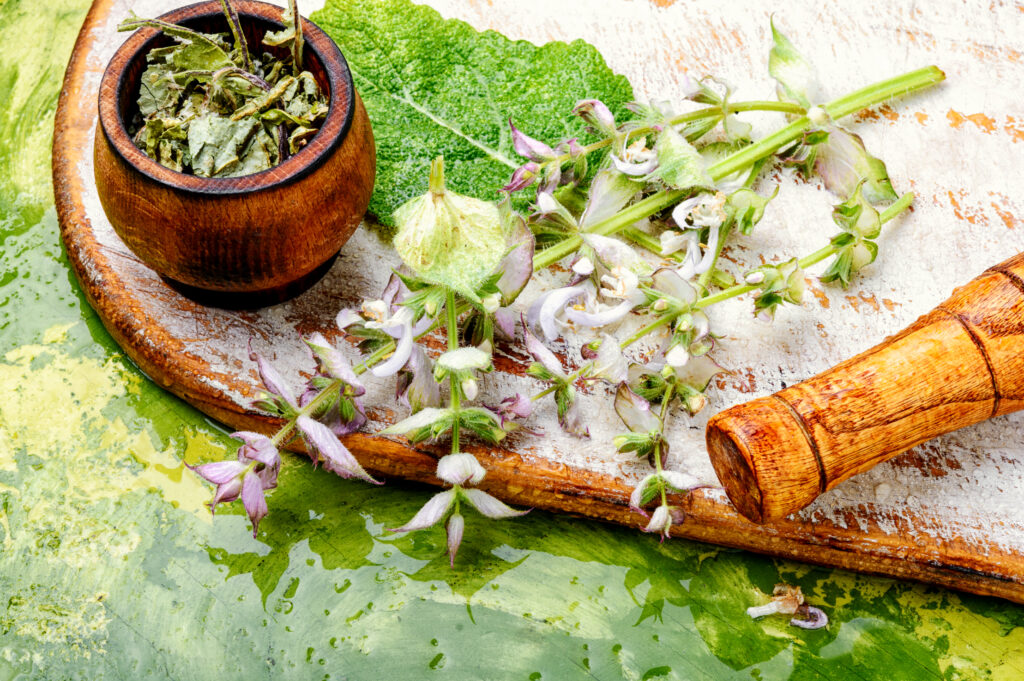
The flowers of the two varieties also help distinguish them. White sage produces clusters of white, tubular, downy flowers, appearing in spring or summer. Blue sage has blue-violet flowers that attract bees, butterflies and hummingbirds throughout the flowering season.
The scent of the two types of sage is very different. White sage gives off a powerful, slightly camphoraceous scent when crushed or burned, while blue sage has a soft, resinous eucalyptus scent with notes of lavender.
Blue sage or white sage: traditional uses
White sage and blue sage are both associated with medicinal properties, although these vary according to the species. White sage is traditionally recommended for respiratory conditions, fungal infections and digestive problems, while blue sage is recognised for its traditionally described relaxing effects on the nervous system and its anti-inflammatory action. These attributions are traditional accounts, not established medical effects.
The Indigenous peoples of North America have long used white sage for cleansing and protection against negative energies during ceremonies or rituals. Blue sage, on the other hand, is less often used for spiritual purposes. Burning either plant does not purify the air.
Blue sage or white sage: modern use
Today, the white sage plant is generally sold as smudging sticks, called “smudge sticks”, which can be burned for symbolic cleansing of a space or a person from negative energies. Some people prefer to make their own white sage sticks from dried leaves. Although blue sage is sometimes also used for the same reasons, this practice is less common.
The leaves of blue sage are valued for their distinctive flavour and are used in a variety of recipes, especially soups, pasta dishes and stews. White sage is less commonly used in cooking because of its bitter taste.
Both varieties are also appreciated for their ornamental value in gardens. Planted in well-drained soil in a sunny position, they are easy to care for and drought resistant.
[products limit="5" columns="5" orderby="price" order="DESC" visibility="visible"]Which variety should you choose?
When it comes to choosing between white sage and blue sage, it is essential to consider your specific needs. If you are looking for a plant traditionally used to dispel negative energies and foster a peaceful environment, superior quality white sage will probably be the better choice. However, if you simply want to add a touch of colour and attractive aroma to your garden or kitchen, blue sage might be preferable.