Buying and growing / All our articles
Planting white sage: a complete guide
Would you like to plant white sage? White sage is a much-loved medicinal and aromatic plant, notably for its traditionally attributed cleansing properties. To enjoy this plant and its many qualities fully, growing it yourself is very practical. Follow our advice to master the art of planting white sage and achieve optimal growth. Rest assured, it is not rocket science.
Choosing the right time to plant white sage
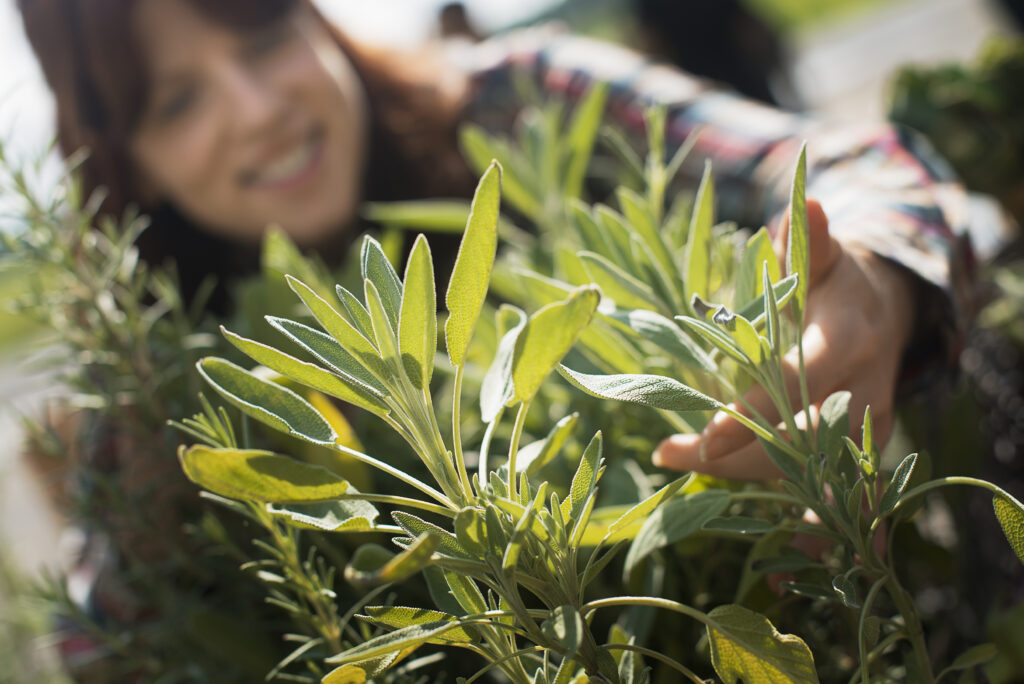
To succeed, it is essential to choose periods favourable to seed germination. White sage prefers temperate climates and does not tolerate excessive humidity well. The best seasons for planting your seeds are generally spring or autumn.
Depending on the region where you live, consult a lunar calendar to find the days traditionally considered most favourable for planting seeds. Experienced gardeners who follow this tradition recommend avoiding planting white sage during unfavourable phases, such as the new moon or full moon.
Preparing the necessary equipment
Before starting, gather the essential equipment:
- Plant pots or peat pots
- Specialist seed compost
- A watering can with a fine rose or a water spray bottle
- A horticultural fleece or a mini greenhouse to protect your seedlings
- If required, equipment for taking cuttings if you wish to propagate your white sage plants
Also make sure you have a suitable space for germination and plant growth. A greenhouse, balcony, terrace or garden are all options depending on the space you have available.
How to sow white sage seeds: key steps
Preparing the compost
Choose a specialist seed compost that is light and free-draining. Avoid overly heavy or compacted compost, as it could hinder root growth and harm the health of your plants. You can mix the compost with fine sand or well-rotted compost to improve its drainage.
Sowing the seeds
Place a layer of compost in each pot and firm it gently. Then place two or three seeds on this bed of compost at a depth of about 0.5 cm. Cover them with a thin layer of compost and water gently using your watering can or spray bottle. It is essential to follow these instructions carefully when planting white sage.
Ensuring that seedlings develop well
Place your pots in a bright location, protected from draughts and extreme temperatures. White sage seedlings prefer a temperature between 18 and 22°C to germinate properly. Feel free to use horticultural fleece or a mini greenhouse to maintain this constant warmth.
Water your seedlings regularly, taking care not to soak the compost. The soil should remain moist without being waterlogged. Once the first leaves appear, you can thin the seedlings, keeping only the strongest in each pot. This will allow your white sage to grow in the best possible conditions.
Transplanting and caring for young plants
When the young plants have developed several leaves and look strong enough, it is time to transplant them into the ground or into larger pots if you wish to grow your white sage in a container. Make sure to leave a distance of at least 30 cm between each plant so that they can develop freely.
When planting white sage, to ensure the good health of your plants, mulch the base with well-rotted compost and avoid overly generous watering. White sage prefers soil that is slightly dry between waterings rather than constantly moist.

Cuttings: an effective propagation method
Some people choose cuttings as a method of propagating their white sage plants. Taking cuttings consists of rooting a stem taken from an existing plant to obtain a new plant identical to the parent plant.
[products limit="5" columns="5" orderby="price" order="DESC" visibility="visible"]If you wish to try this technique for planting white sage, here are the steps to follow:
- Take a young stem about 10 cm long from a healthy, vigorous plant
- Remove the leaves at the base of the stem, as well as any flowers
- Dip the cut end of the stem in rooting hormone to encourage rooting (optional)
- Plant the stem in a pot filled with moist compost, making sure that the bottom of the first leaf or leaves lightly touches the soil
- If desired, cover the pot with a transparent plastic bag to maintain constant humidity around the cutting
- Water regularly and wait until the cutting has developed enough roots before transplanting it into the ground or into a larger pot.
With this advice, you are now ready to plant white sage. All that remains is to enjoy the qualities of this exceptional plant in your garden!