Benefits and properties / All our articles
The virtues of black sage: a unique variety
Sage is a plant with multiple benefits, whether for cooking, health or well-being. Among the benefits of the different varieties, the virtues of black sage are not widely known. Indeed, black sage occupies a special place because of its distinctive characteristics and its sometimes little-known use. Discover the properties and uses of this singular variety, dragon’s blood sage. The health claims below are traditional accounts, not established medical effects.
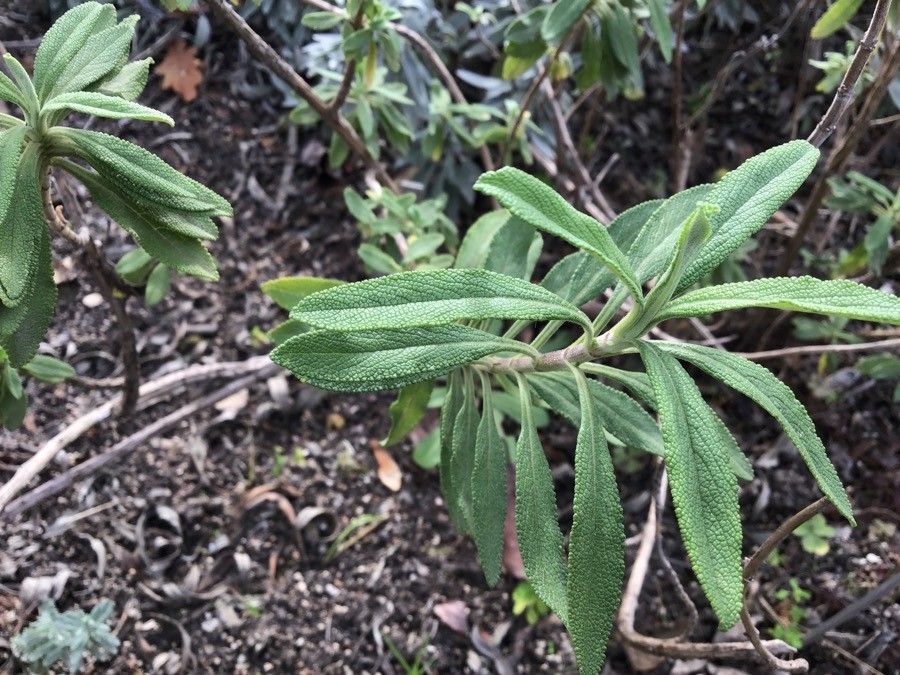
Black sage: a botanical description
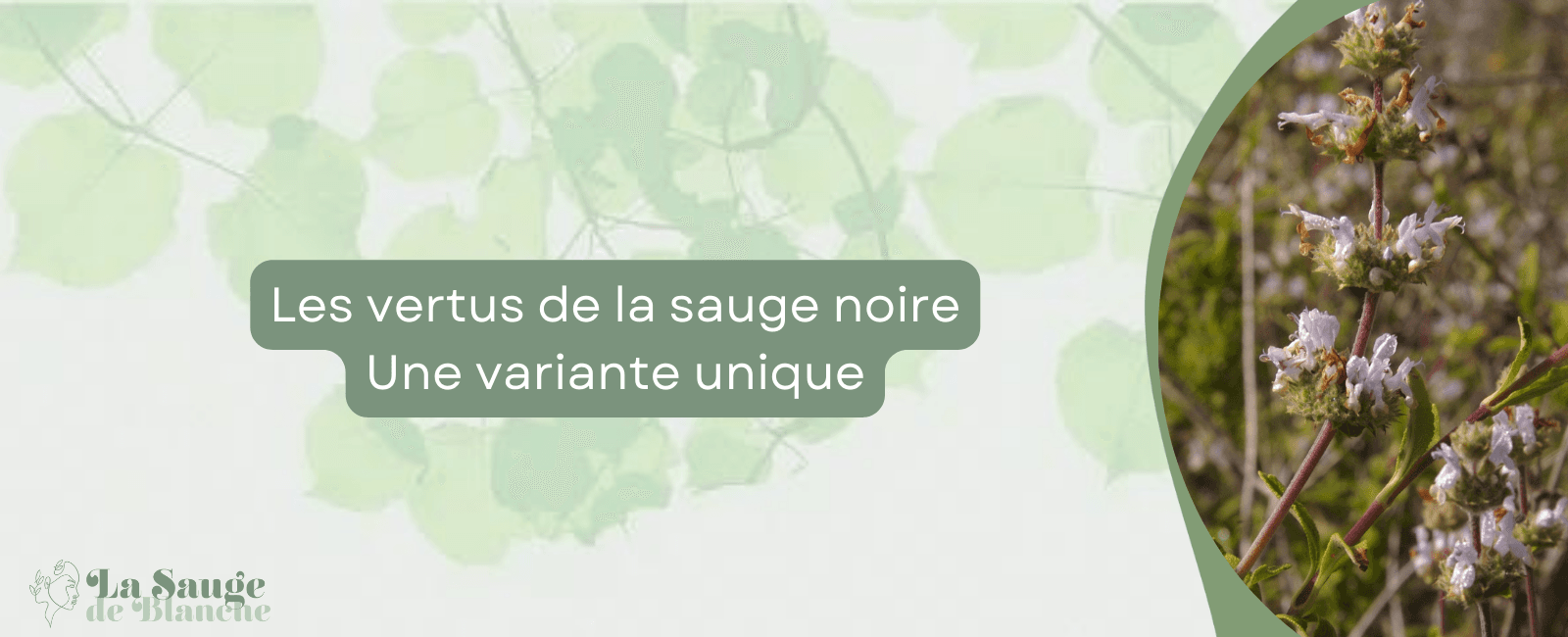
Black sage, Salvia mellifera, belongs to the Lamiaceae family like the other sage species. It is native to the western United States (California, Arizona) and grows mainly in arid, sunny regions. Nomadic, this plant is found in the wild in thickets and scrubland.
The name “black sage” comes from the dark, purplish colour its leaves take on when they die, adding a unique visual appeal to this variety. In addition, black sage stands out for its powerful scent. Its main physical characteristics are:
- Leaves: fairly large (up to 6 cm), oval or oblong and covered with silvery down, dark green on top and ash white underneath.
- Flowers: gathered in dense, upright spikes about 3 to 5 cm long, with brown-purple bracts. The colour of the flowers ranges from light blue to dark violet, which blends harmoniously with the dark tints of the dead leaves.
- Stems: woody and often quadrangular, bearing the leaves and flowers.
The traditional uses of dragon’s blood sage
Black sage, or dragon’s blood sage, was already used by Native American peoples for its medicinal and ritual properties before the arrival of the first European settlers. Although less well known than white sage (Salvia apiana) or common sage (Salvia officinalis), the virtues of black sage deserve to be rediscovered.
In some Native American tribes, black sage is associated with cleansing and protection against negative energies. It is notably used for smoke cleansing during healing ceremonies, as well as to cleanse objects or places. In addition to these traditional uses, black sage is sometimes consumed as an infusion or used as an essential oil to accompany meditation and sleep. These are traditional beliefs, not established effects.
Native Americans used dragon’s blood sage to treat various complaints and health problems. Among the properties traditionally attributed to the leaves of this plant, we can notably mention:
- Antiseptic: they were used to clean wounds and prevent infections. These are historical accounts; modern wound care requires appropriate medical products.
- Astringent: decoctions made from black sage were used to stop haemorrhages and nosebleeds; do not rely on plants to manage bleeding — seek medical care.
- Expectorant: as a hot infusion, it was used to relieve respiratory conditions such as colds or coughs. Only food-grade products may be taken internally, and smoke must never be used to treat respiratory symptoms.
It is important to note that black sage must not be confused with common sage, which has additional therapeutic virtues and whose internal use is better documented.
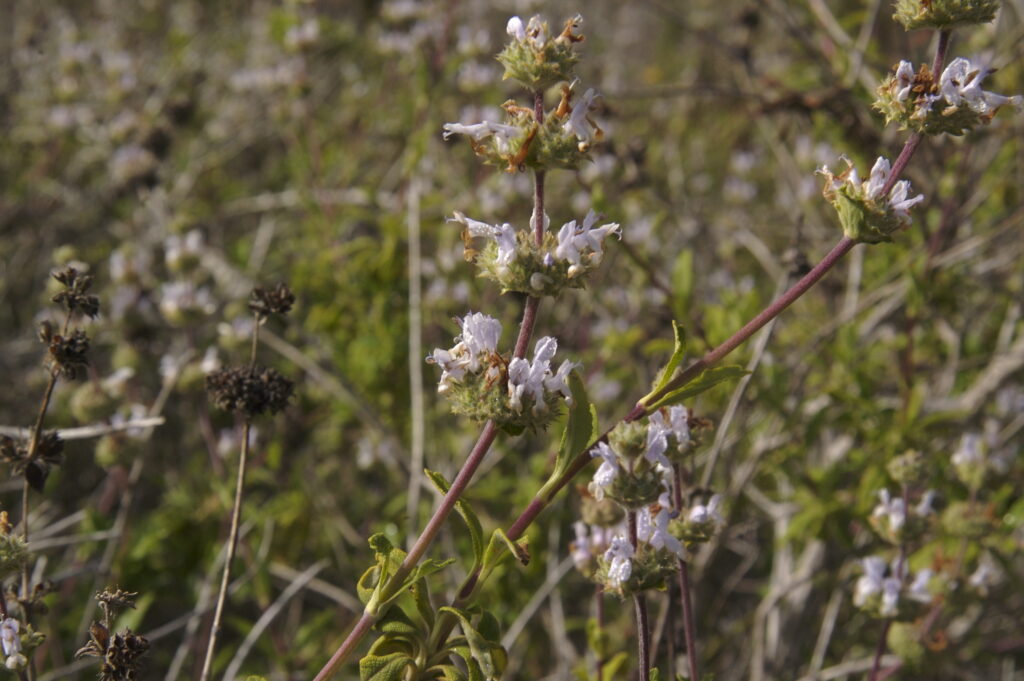
Growing dragon’s blood sage at home
Would you like to include this plant in your garden or on your balcony to enjoy the virtues traditionally attributed to black sage? Here is some advice to encourage healthy growth:
- Exposure: choose a sunny location to allow black sage to enjoy natural light and reach about thirty centimetres in height.
- Soil: this plant needs well-drained, sandy soil to avoid excess water, which could make its roots sick. Do not hesitate to add sand, gravel or pebbles if your soil is too compact.
- Watering: black sage requires moderate watering during the growth period (spring-summer). Let the soil dry out between waterings to avoid the risk of rot.
- Pruning: regularly cut the stems and faded flowers to encourage the branching of your black sage plant.
The virtues of black sage in aromatherapy
Where there is sage, there is often essential oil! Black sage is no exception and stands out for its intense, camphoraceous aroma. Despite being less commonly used than common sage or clary sage, black sage essential oil has properties worth exploring. It is reputed to be:
- Antispasmodic: it is said to help relieve muscle cramps and digestive spasms; these claims are not established.
- Calming and balancing: applied in massage to the solar plexus or simply diffused, it is said to bring relaxation and serenity. Dilute it first and stop if irritation occurs.
- Cleansing: as with traditional smoke cleansing, black sage essential oil is said to purify the ambient air and help dispel negative energies. A diffuser scents the air; it does not physically purify it.
Despite its potential virtues, black sage essential oil must be used with care to avoid overdosing and the risk of allergy. Always consult a healthcare professional before starting any treatment based on essential oils.
[products limit="5" columns="5" orderby="price" order="DESC" visibility="visible"]In summary
Black sage is a variety of sage that stands out for its visual appearance and particularly marked olfactory profile. Beyond these aesthetic characteristics, the virtues of black sage are medicinal and spiritual, inherited from Native American tradition. Still today, it is used in different forms (smoke cleansing, infusion, essential oil) to accompany well-being and relieve various complaints, as traditional practices. Grow it at home to make the most of its qualities and give your interior an original plant touch!