Benefits and properties / All our articles
Discover the properties of sage for fatigue

The white sage plant, also known as Salvia apiana, is native to the southwestern United States and Mexico. Many people wonder what the properties of sage are. It is indeed highly valued for its many virtues, in particular for its energising and refreshing effects as traditionally described. Discover how to make the most of the benefits of this multi-faceted plant; the health claims below are traditional accounts, not established medical effects.
The historical context of white sage use
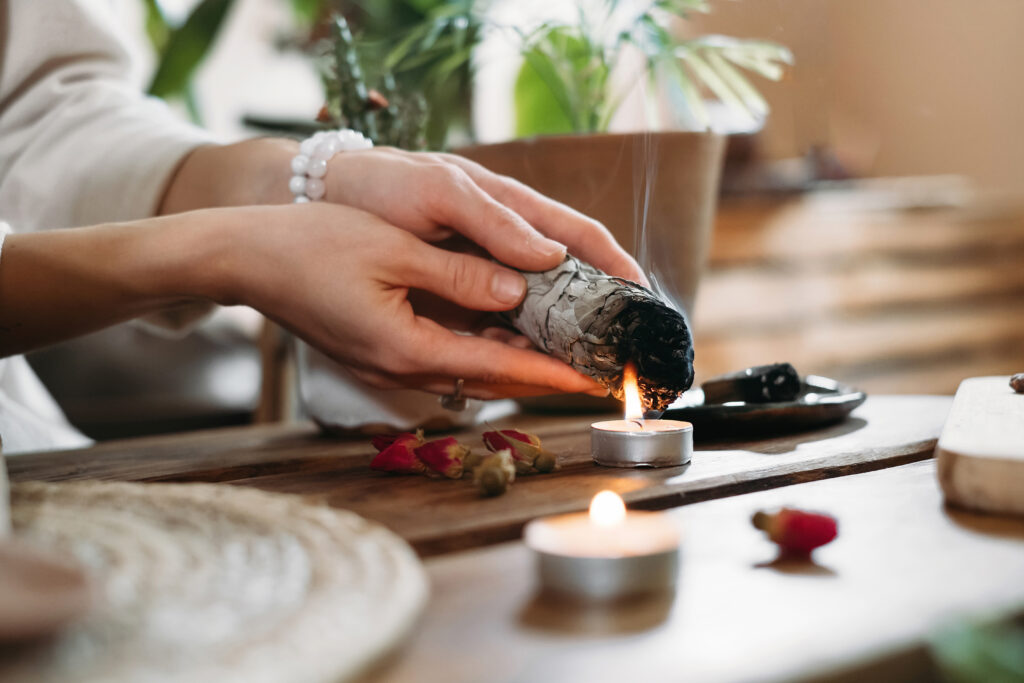
For centuries, the Indigenous peoples of North America have used white sage for medicinal, spiritual and of course culinary purposes. Native Americans also used this plant to perform cleansing rites. Sage leaves are associated with areas such as protection, balance and revitalisation, on the physical as well as the psychological and spiritual level.
What are the properties of sage?
One of the major assets of sage lies in its traditionally attributed medicinal properties. The plant contains numerous active compounds such as flavonoids, terpenes and phenolic acids, to which its therapeutic actions are attributed. Among the properties of sage we can mention:
- Anti-inflammatory and antioxidant effects
- Antimicrobial properties said to fight infections and support the immune system.
- A reported ability to regulate blood sugar and contribute to the control of type 2 diabetes; this claim is not established.
- Reduction of symptoms linked to digestive problems, such as bloating or nausea.
The anti-fatigue action of white sage
The most interesting area of application of this plant is undoubtedly its potential as a natural energising agent. The anti-fatigue properties traditionally attributed to sage are particularly described as useful for:
- Fighting physical and mental fatigue
- Improving concentration and alertness
- Encouraging restorative sleep and avoiding insomnia
The anti-fatigue properties of sage are mainly attributed to the combination of different components of the plant, such as flavonoids said to promote better blood circulation, and terpenes said to stimulate brain activity. In addition, sage is described as containing nutrients such as vitamins B, C and E, as well as minerals like calcium and iron, described as essential for the proper functioning of the body. These attributions do not establish effects from burning sage.

The different uses of white sage
To enjoy the energising virtues traditionally attributed to white sage, there are several ways to include it in your daily life:
- As an infusion: pour hot water over a few dried leaves and let it steep for about ten minutes. You can drink this herbal tea throughout the day to revitalise yourself. Use only sage explicitly supplied for food use.
- As an essential oil: dilute a few drops of sage oil in a neutral vegetable oil (such as sweet almond or jojoba) and gently massage your temples, neck or wrists to accompany its traditionally attributed stimulating effects. Never apply undiluted essential oil to the skin.
- In culinary recipes: add fresh or dried sage leaves to your slow-cooked dishes, soups, marinades or sauces to enhance their taste and bring new flavours.
The properties of sage: precautions for use and contraindications
White sage is generally considered safe when used in moderation. Despite the traditionally attributed properties of sage, certain precautions should be taken:
- If you are pregnant, breastfeeding or have a particular health problem, consult a healthcare professional before using sage in any form.
- The use of pure essential oils can cause skin irritation in some people. Always remember to dilute the oil in a vegetable oil before applying it to the skin.
- Sage-based food supplements must be taken following the recommended doses on the packaging and for a limited period, generally a few weeks. If in doubt, seek advice from a qualified professional.
In summary, the properties traditionally attributed to white sage make it a valuable ally in traditional practice for fighting drops in energy and supporting physical and mental well-being. Feel free to put this advice into practice to include this plant with its many reputed benefits in your daily routine, while treating the claims as traditional beliefs rather than proven treatments.