Knowledge and comparisons / All our articles
Understanding the difference between common sage and white sage
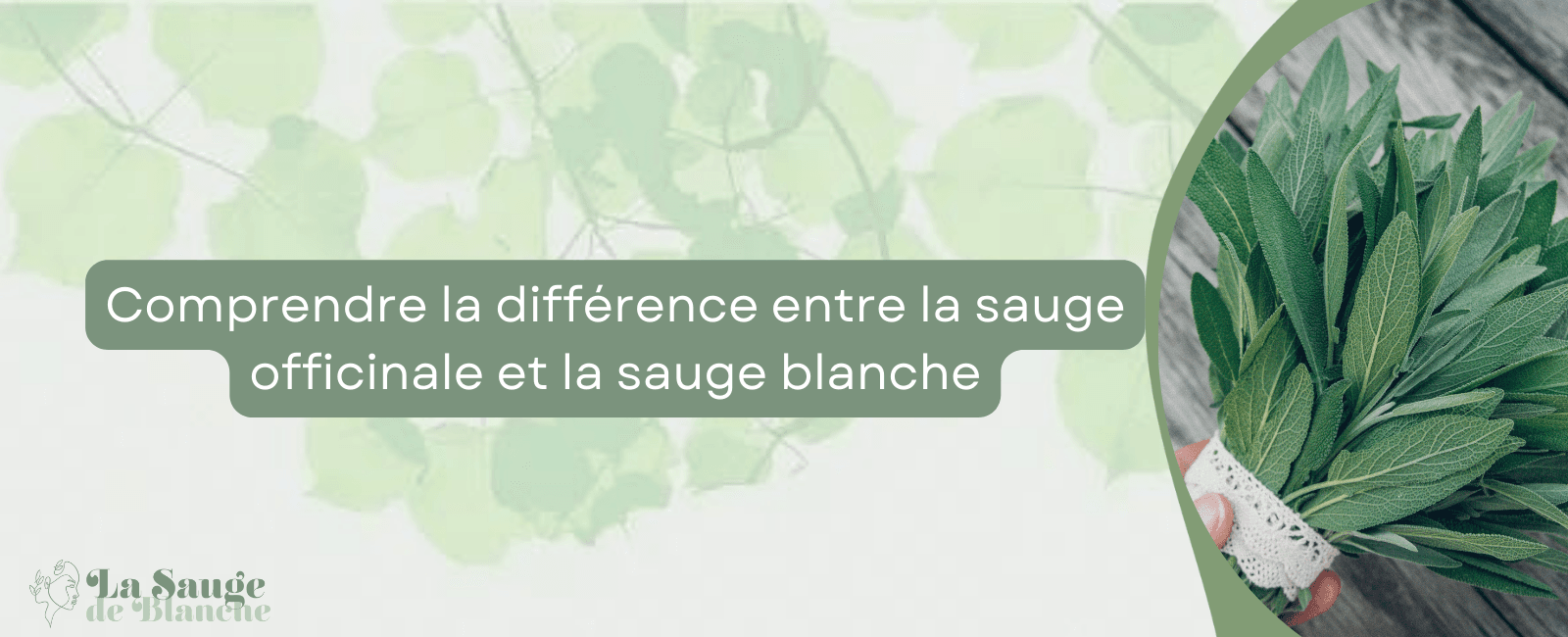
Sage varieties are numerous and their uses varied, ranging from cooking to medicine and crafts. Among these species are white sage (Salvia apiana) and common sage (Salvia officinalis). The two plants share many similar characteristics, but have even more distinctive features that make each unique for specific uses. In this article, we discuss the difference between common sage and white sage.
Botanical characteristics
Description and habitat
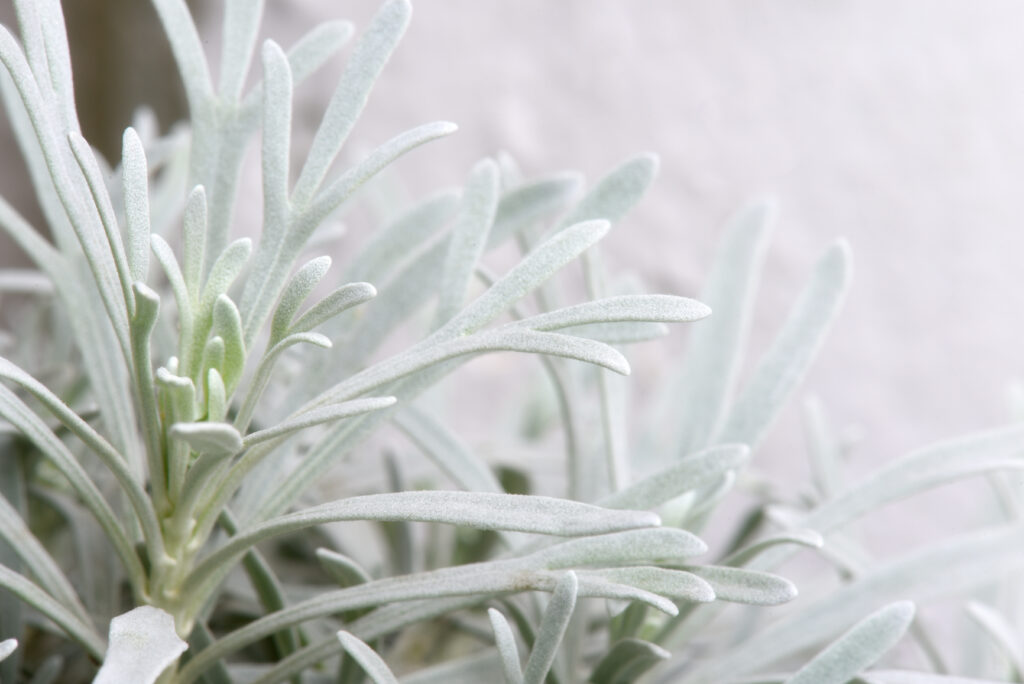
White sage, also called “sacred sage”, is native to the western United States, mainly California, where it grows wild. This plant likes arid, well-drained soils and has a high tolerance to drought. White sage is characterised by long, narrow leaves covered with a fine layer of white down, which gives it its silvery appearance.
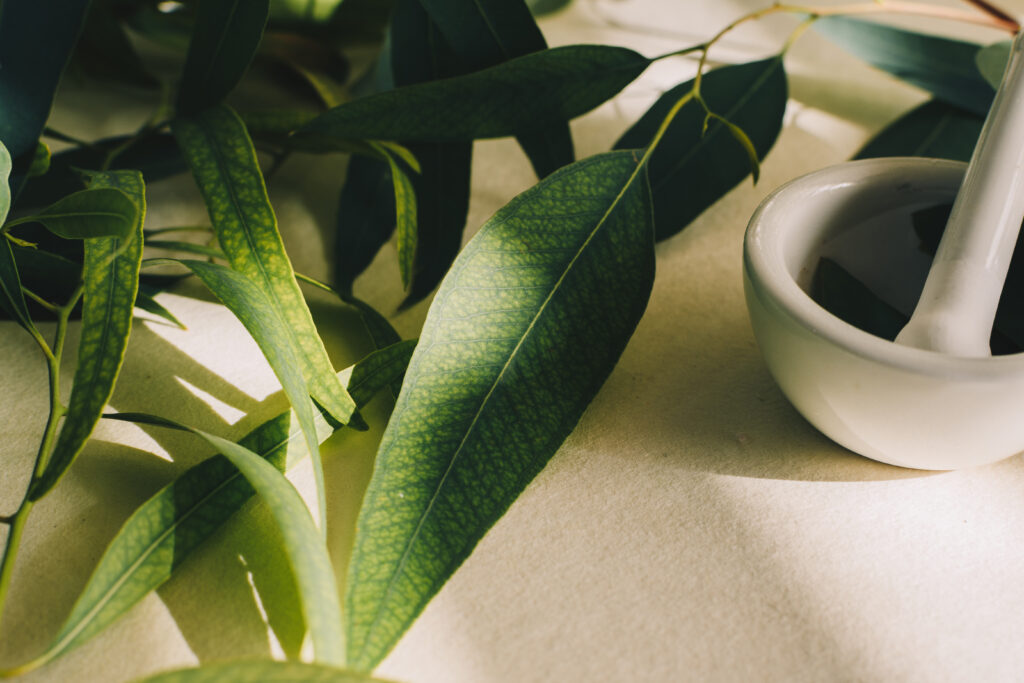
Common sage, also known as “garden sage” or “common sage”, is native to the Mediterranean basin. It is widely cultivated in that region as well as in Europe. Its oval leaves are grey-green with wavy edges and a slightly velvety surface. Common sage grows best in well-drained soil and is also drought resistant.
Flowers
The white sage bears white or pale-pink flower spikes whose flowers are small, tubular and paired along the stem. Flowering takes place in spring and summer. The difference between common sage and white sage is that common sage has larger, showier flowers, usually blue-violet, although there are also varieties with white, pink and purple flowers. Its flowering period also runs from spring to late summer.
Difference between common sage and white sage: the uses
Cooking and medicine
Common sage is widely used in cooking to flavour many dishes such as meats, fish, vegetables and sauces. It is particularly appreciated in Mediterranean cuisine. It also stands out for its traditional medicinal associations, especially digestive complaints, excessive perspiration, sore throats and respiratory infections. These traditional uses do not establish medical efficacy.
For its part, white sage is not commonly used as a culinary condiment. However, its leaves were traditionally used by some Native American peoples as a folk remedy for inflammation, as an antiseptic and to relieve various complaints such as toothache, rheumatism and digestive problems. These are traditional accounts, not established treatments, and only products explicitly supplied for food use may be eaten.
Spiritual cleansing and crafts
White sage is particularly renowned for its use in Native American purification rituals. Its dried leaves are tied into bundles called “smudge sticks” and are burned during these rites in a symbolic practice intended to dispel negative energies and support healing of people or places. These are spiritual beliefs, not established effects, and smoke does not purify the air. Artists and craftspeople also use white sage to make spiritual and decorative objects.
The difference between common sage and white sage is that common sage is not specifically associated with spiritual cleansing, although it can be used for that purpose. It is one of the aromatic plants commonly employed in traditional European medicine because of its reputed virtues, or simply for its pleasant scent.
Potential toxicity
While both white sage and common sage can be beneficial for our health in traditional accounts, it should not be forgotten that they also contain potentially toxic components, such as thujone, which can cause neurotoxic effects if consumed in large quantities.
However, thujone content varies between the two species: common sage generally contains more than white sage. These herbs should therefore be consumed in moderation, and only in food-grade products, and you should consult a healthcare professional before using them for medicinal purposes.
[products limit="5" columns="5" orderby="price" order="DESC" visibility="visible"]In summary, the difference between common sage and white sage is that, despite some common characteristics, they differ clearly in geographical origin, appearance and uses. To choose between these two types of sage, it is essential to identify your specific needs, whether to flavour your cooking, accompany traditional remedies or cleanse your space symbolically.