Safety and contraindications / All our articles
The dangers of white sage: how to use it
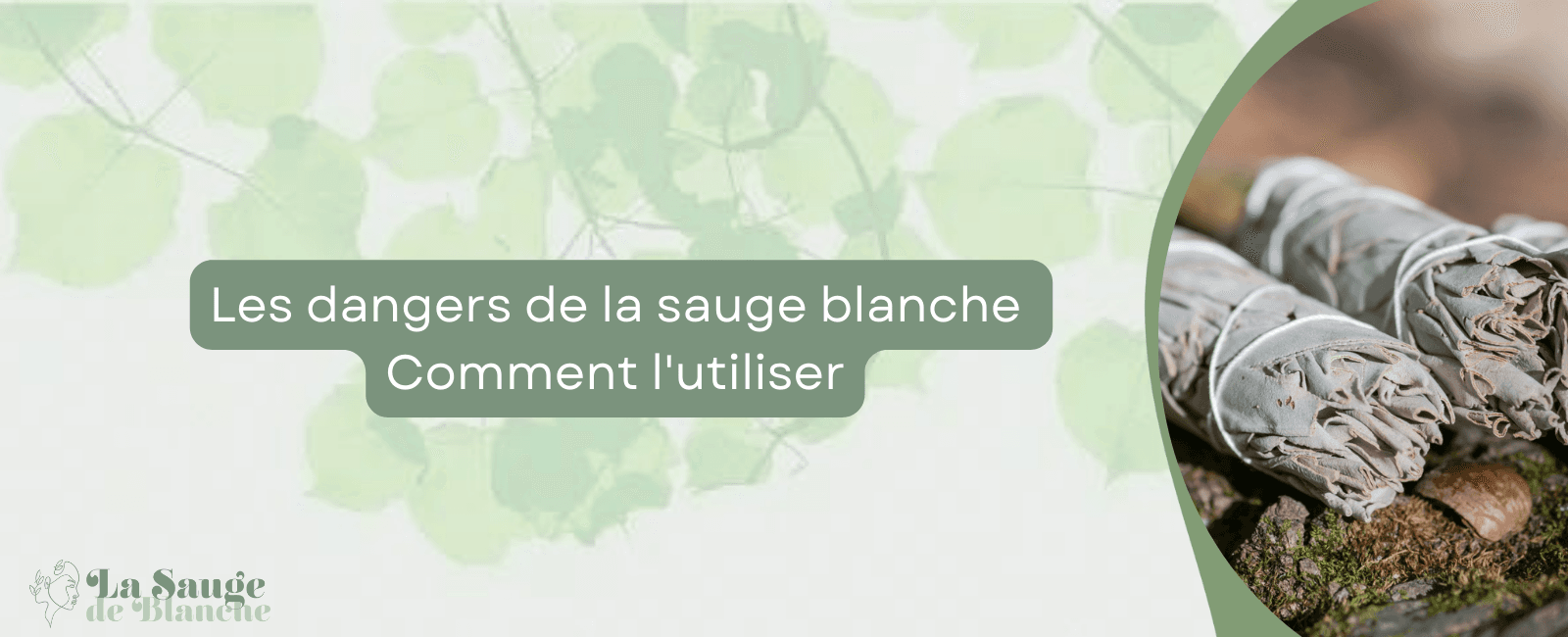
Many people appreciate the benefits of white sage for its cleansing, relaxing and well-being properties. However, it is essential to ask whether this herb is also safe. As with any plant that has effects on the body, it is important to remain prudent to avoid possible disappointments. Let us discover the possible dangers of white sage and how to use it safely.
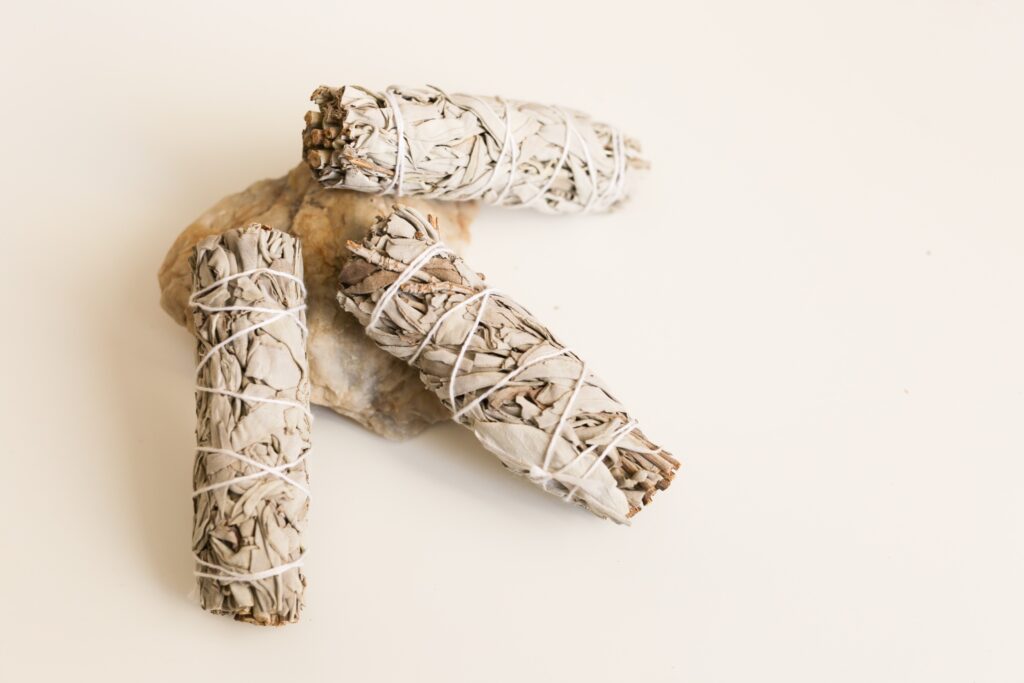
What is white sage?
White sage, or Salvia apiana, is a plant native to the arid regions of the southwestern United States and northwestern Mexico. It is also known as “sacred sage” because of its traditional use in cleansing and purification rituals by the Indigenous peoples of North America. Its leaves are often dried and burned to produce smoke that is used for its many therapeutic benefits, notably to relieve digestive complaints, reduce anxiety and improve mood. These attributions are traditional beliefs, not established medical effects.
As with all herbs and plants, sage can prove dangerous if misused. Some people are particularly sensitive to certain plants, or simply have allergies or do not tolerate smoke well. Let us remember that smoke cleansing is one of the most common methods of using white sage.
The dangers of white sage: is it toxic?
According to most specialists, white sage is not considered toxic. However, this does not necessarily mean that the plant is safe in all situations. Ingesting large quantities of white sage can cause vomiting, diarrhoea and other gastrointestinal symptoms. It is therefore recommended to monitor your use carefully and respect the doses recommended by a specialist. Only products explicitly supplied for food use may be eaten.
Although white sage is not classified as toxic, inhaling its smoke could present certain risks. People with sinusitis and other diseases of the respiratory system are very sensitive to particles and substances suspended in the air. One of the dangers of white sage is prolonged exposure of these people to white sage smoke. This could potentially cause irritation of the airways and eyes, or acute crises in some cases. It is therefore important to take the dangers of white sage into account and to ventilate the room well when burning white sage to avoid being overwhelmed by the smoke. Smoke does not purify the air and must not be used to treat respiratory conditions.
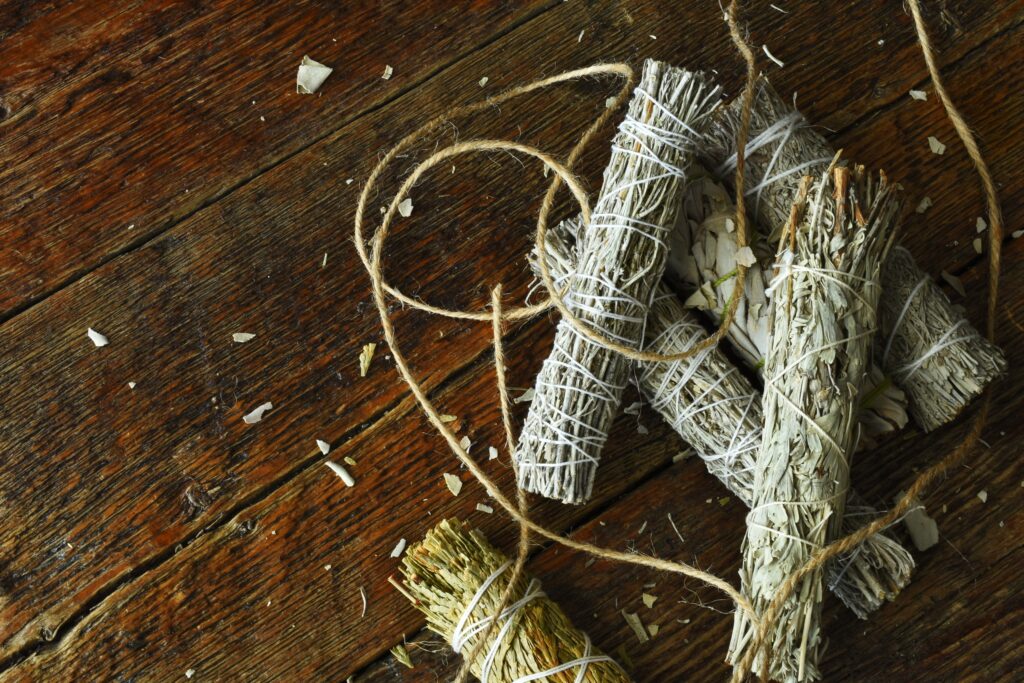
What precautions should you take when using white sage?
If you decide to use white sage, make sure you follow these simple guidelines to minimise the potential risks:
- Be attentive when exposed to white sage smoke in order to quickly detect any sign of discomfort or toxicity.
- Make sure you limit the amount ingested of white sage by respecting the doses. Better still, avoid ingesting it unless the product is explicitly supplied for food use.
- Ventilate the room where you burn white sage well, to allow the smoke to dissipate properly and fresh air to circulate.
How to enjoy the benefits of white sage safely
If you wish to enjoy the virtues of sage safely, here are some alternatives:
- Use essential oil diffusers with a (diluted) sage essential oil to reproduce the cleansing and soothing atmosphere associated with white sage without releasing smoke. Check that the oil is safe for children and pets.
- Opt for candles made from vegetable wax and sage essential oils, which diffuse a pleasant scent without releasing chemicals that are harmful to the environment or our animals.
- Place sachets of dried sage leaves in your cupboards, drawers or suitcases as a natural moth repellent and air freshener, keeping them out of reach of children and animals.
Feel free to consult your health specialist if you have concerns about the dangers of white sage for your loved ones and yourself. Your doctor is better informed about your history and will be able to give you specific recommendations to guarantee your safety and well-being.